

Understanding Perfume Families – Floral, Woody, Fresh & Oriental

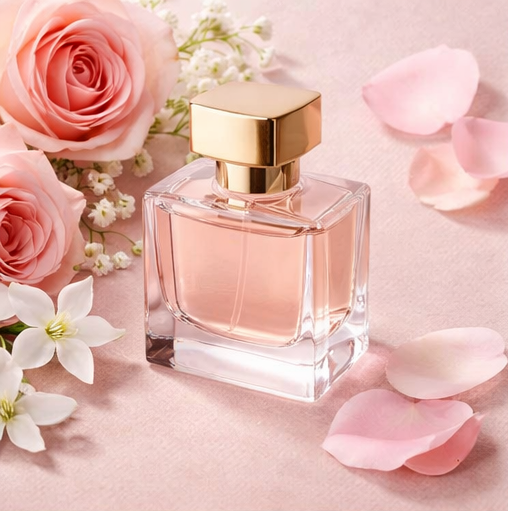
Perfume is more than just a pleasant scent—it’s a powerful form of self-expression, memory, and identity. Whether you’re selecting a fragrance for daily wear or a special occasion, understanding perfume families can help you make more informed choices and even refine your personal style. In the world of perfumery, fragrances are typically categorized into four primary families: Floral, Woody, Fresh, and Oriental. Each of these families has its own unique characteristics, emotional appeal, and composition.
This comprehensive guide will explore these four major perfume families in depth, helping you understand their nuances, subcategories, and how to choose the right one for you.
What Are Perfume Families?
Perfume families are classifications used to group fragrances based on their dominant scent characteristics. Much like genres in music, these families help simplify the vast world of perfumes into recognizable categories. Most fragrances belong primarily to one family but may include elements from others, creating hybrid compositions.
Understanding perfume families is essential for:
- Choosing scents that match your personality
- Identifying notes you enjoy
- Making smarter purchasing decisions
- Layering fragrances effectively
- Peony
- Gardenia
- Tuberose
- Orange blossom
Subcategories
a. Single Floral (Soliflore)
These fragrances focus on a single flower note, such as rose or jasmine. They are simple yet elegant.
b. Floral Bouquet
A blend of multiple floral notes, creating a complex and layered scent profile.
c. Floral Fruity
Combines floral notes with fruity elements like peach, berry, or apple for a playful and youthful vibe.
d. Floral Green
Incorporates green, leafy notes for a fresher and more natural feel.
When to Wear Floral Perfumes
- Daytime events
- Spring and summer seasons
- Romantic occasions
Who Should Choose Floral?
If you prefer soft, feminine, and classic scents, floral perfumes are an excellent choice. They are also ideal for those new to fragrances due to their familiar and approachable nature.
2. Woody Fragrance Family
Overview
The Woody family is known for its warm, rich, and earthy tones. These fragrances are often associated with sophistication, strength, and depth.
Key Characteristics
- Warm and dry
- Earthy and grounding
- Long-lasting and intense
Common Notes
- Sandalwood
- Cedarwood
- Vetiver
- Patchouli
- Oud (agarwood)
Subcategories
a. Woody Oriental
Blends woody notes with spices and resins for a more exotic and sensual scent.
b. Woody Aromatic
Combines wood with herbs like lavender, rosemary, or sage for a fresh yet deep fragrance.
c. Mossy Woods (Chypre)
Includes oakmoss, bergamot, and patchouli, offering a slightly damp, forest-like aroma.
When to Wear Woody Perfumes
- Evening events
- Fall and winter seasons
- Formal occasions
Who Should Choose Woody?
Woody fragrances are perfect for individuals who prefer bold, confident, and mature scents. They are often favored in men’s perfumes but are increasingly popular in unisex and women’s fragrances.
3. Fresh Fragrance Family
Overview
The Fresh family is clean, light, and invigorating. These fragrances are perfect for everyday wear and are often associated with energy, vitality, and simplicity.
Key Characteristics
- Light and airy
- Crisp and refreshing
- Subtle and non-overpowering
Common Notes
- Citrus (lemon, bergamot, orange)
- Green leaves
- Aquatic/marine notes
- Herbs
- Tea
Subcategories
a. Citrus
Bright and zesty scents dominated by lemon, lime, or orange.
b. Green
Smells like freshly cut grass, leaves, or herbs.
c. Aquatic (Oceanic)
Inspired by the sea, these fragrances are clean and slightly salty.
d. Fruity
Includes juicy and sweet fruit notes like apple, pear, or berries.
When to Wear Fresh Perfumes
- Daily wear
- Office environments
- Hot weather (spring and summer)
Who Should Choose Fresh?
If you prefer clean, subtle, and energizing scents, fresh fragrances are ideal. They are also great for people who want a “just showered” feeling throughout the day.
4. Oriental Fragrance Family
Overview
The Oriental family (sometimes referred to as “Amber”) is rich, warm, and sensual. These fragrances are often luxurious and mysterious, making them perfect for special occasions.
Key Characteristics
- Warm and spicy
- Sweet and resinous
- Deep and long-lasting
Common Notes
- Vanilla
- Amber
- Musk
- Cinnamon
- Clove
- Incense
- Resins (myrrh, benzoin)
Subcategories
a. Soft Oriental
Blends warm notes with softer elements like powder or light florals.
b. Oriental Woody
Combines oriental richness with woody depth.
c. Oriental Spicy
Features strong spice notes like cinnamon and clove.
d. Gourmand (Modern Subcategory)
Includes edible notes like chocolate, caramel, and coffee.
When to Wear Oriental Perfumes
- Evening wear
- Winter and cooler climates
- Special occasions
Who Should Choose Oriental?
Oriental fragrances are perfect for those who love bold, seductive, and luxurious scents. They are ideal for making a strong impression.
How Perfume Families Interact
Most modern perfumes are not limited to a single family. Instead, they are often blends that combine elements from multiple families. For example:
- Floral + Fresh = Light and airy floral scents
- Woody + Oriental = Deep, warm, and sensual fragrances
- Fresh + Woody = Clean yet grounded compositions
Understanding these combinations can help you explore fragrances more confidently and discover unique scent profiles.
Understanding Fragrance Notes
To fully appreciate perfume families, it’s important to understand how fragrances are structured:
1. Top Notes
- The first impression of a fragrance
- Usually light and fresh
- Lasts 5–15 minutes
2. Middle Notes (Heart Notes)
- The core of the fragrance
- Often floral or spicy
- Lasts 20–60 minutes
3. Base Notes
- The foundation of the scent
- Typically woody, musky, or oriental
- Can last for hours
Each perfume family emphasizes different types of notes. For example, fresh fragrances highlight top notes, while oriental scents rely heavily on base notes.
Choosing the Right Perfume Family
Selecting the perfect fragrance depends on several factors:
1. Personality
- Romantic → Floral
- Confident → Woody
- Energetic → Fresh
- Mysterious → Oriental
2. Occasion
- Work → Fresh or light floral
- Date night → Oriental or floral
- Formal events → Woody or oriental
3. Climate
- Hot weather → Fresh or citrus
- Cold weather → Woody or oriental
4. Longevity Preference
- Light scents → Fresh
- Long-lasting → Woody or oriental
Tips for Exploring Perfume Families
- Test on skin: Fragrances react differently with body chemistry.
- Give it time: Let the perfume evolve through all its notes.
- Start with samples: Avoid committing to full bottles immediately.
- Build a collection: Have different perfumes for different moods and occasions.
Final Thoughts
Understanding perfume families—Floral, Woody, Fresh, and Oriental—opens the door to a more refined and enjoyable fragrance experience. Each family offers a distinct sensory journey, from the soft romance of florals to the bold intensity of oriental scents.
Rather than sticking to one category, explore across families and discover combinations that resonate with your personality and lifestyle. Perfume is deeply personal, and the more you understand its structure and classifications, the easier it becomes to find your signature scent.
Whether you’re new to fragrances or looking to expand your collection, mastering these perfume families is the first step toward becoming truly confident in your choices.