

Why Some Perfumes Last Longer Than Others

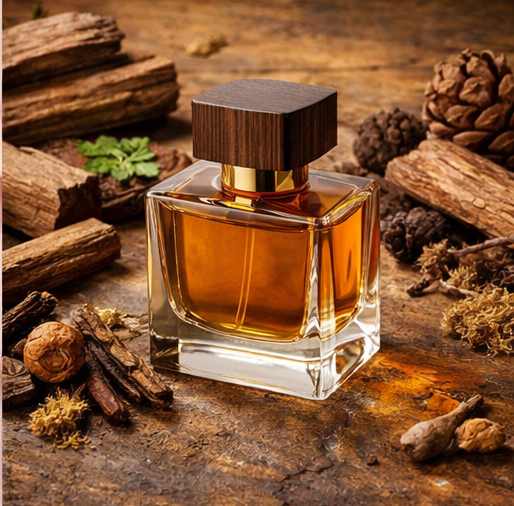
Have you ever wondered why some perfumes fade within an hour while others linger on your skin all day—or even longer? The longevity of a fragrance isn’t random; it’s influenced by a combination of science, ingredients, skin chemistry, and even how you apply it.
Understanding why some perfumes last longer than others can help you choose the right fragrance, apply it correctly, and get the most value from your purchase. Let’s break it down in detail.
The Science Behind Perfume Longevity
Perfumes are made up of aromatic compounds mixed with alcohol and sometimes water. When you spray a fragrance, the alcohol evaporates first, allowing the scent molecules to disperse into the air. The speed at which these molecules evaporate determines how long the fragrance lasts.
This process is tied to a key concept in perfumery: volatility. Some scent molecules evaporate quickly, while others are heavier and evaporate slowly.
- Light molecules → Fade quickly
- Heavy molecules → Last longer
This is why perfumes are structured in layers called notes.
The Science Behind Perfume Longevity
Perfumes are made up of aromatic compounds mixed with alcohol and sometimes water. When you spray a fragrance, the alcohol evaporates first, allowing the scent molecules to disperse into the air. The speed at which these molecules evaporate determines how long the fragrance lasts.
This process is tied to a key concept in perfumery: volatility. Some scent molecules evaporate quickly, while others are heavier and evaporate slowly.
- Light molecules → Fade quickly
- Heavy molecules → Last longer
This is why perfumes are structured in layers called notes.
Understanding Fragrance Notes
Every perfume is built using three layers:
1. Top Notes
- First impression of the fragrance
- Light and fresh (citrus, herbs)
- Lasts 5–20 minutes
2. Middle Notes (Heart Notes)
- The core of the scent
- Floral, fruity, or spicy
- Lasts 1–3 hours
3. Base Notes
- The foundation of the perfume
- Rich and deep (wood, amber, musk)
- Can last 6–24 hours or more
👉 Key Insight:
Perfumes with strong base notes tend to last much longer than those dominated by top notes.
Concentration Levels Matter
One of the biggest factors affecting how long a perfume lasts is its concentration of fragrance oils.
Types of Perfume Concentrations
- Parfum (Extrait de Parfum)
- 20–30% oil concentration
- Lasts 8–24 hours
- Eau de Parfum (EDP)
- 15–20% concentration
- Lasts 6–10 hours
- Eau de Toilette (EDT)
- 5–15% concentration
- Lasts 3–5 hours
- Eau de Cologne (EDC)
- 2–5% concentration
- Lasts 1–3 hours
👉 Conclusion:
Higher concentration = longer-lasting fragrance.
Concentration Levels Matter
One of the biggest factors affecting how long a perfume lasts is its concentration of fragrance oils.
Types of Perfume Concentrations
- Parfum (Extrait de Parfum)
- 20–30% oil concentration
- Lasts 8–24 hours
- Eau de Parfum (EDP)
- 15–20% concentration
- Lasts 6–10 hours
- Eau de Toilette (EDT)
- 5–15% concentration
- Lasts 3–5 hours
- Eau de Cologne (EDC)
- 2–5% concentration
- Lasts 1–3 hours
👉 Conclusion:
Higher concentration = longer-lasting fragrance.
Skin Type and Chemistry
Your skin plays a major role in how long a perfume lasts.
Oily Skin
- Holds fragrance better
- Slows down evaporation
- Makes scent last longer
Dry Skin
- Absorbs fragrance quickly
- Causes faster fading
👉 Tip: If you have dry skin, apply a moisturizer before spraying perfume to improve longevity.
Climate and Environment
External conditions can dramatically affect how a fragrance performs.
Hot Weather
- Speeds up evaporation
- Makes perfumes fade faster
Cold Weather
- Slows evaporation
- Helps fragrance last longer
Humidity
- Can enhance projection but may reduce longevity in some cases
👉 This is why heavier perfumes are often recommended for winter, while lighter ones are better for summer.
Application Technique Matters
How you apply perfume can make a big difference.
Best Practices
- Apply to pulse points: Wrists, neck, behind ears
- Don’t rub your wrists together: It breaks down fragrance molecules
- Spray from a distance: Ensures even distribution
- Layer your scent: Use matching body lotion or oil
👉 Proper application can extend the life of your fragrance by several hours.
Storage Conditions
Improper storage can weaken your perfume over time.
Avoid:
- Direct sunlight
- Heat
- Humidity
Store in:
- Cool, dark places
- Original packaging
👉 Heat and light can break down fragrance molecules, reducing their longevity.
Fragrance Families and Longevity
Different types of perfumes naturally last for different durations.
Long-Lasting Families
- Woody
- Oriental
- Gourmand
Moderate Longevity
- Floral
Shorter-Lasting Families
- Fresh
- Citrus
- Aquatic
👉 If longevity is your priority, go for deeper, richer scent families.
Skin Preparation Tips for Better Longevity
To make your perfume last longer:
- Moisturize your skin before applying
- Use unscented lotion or petroleum jelly
- Apply right after a shower (when pores are open)
- Avoid spraying on dry or rough skin
Skin Preparation Tips for Better Longevity
To make your perfume last longer:
- Moisturize your skin before applying
- Use unscented lotion or petroleum jelly
- Apply right after a shower (when pores are open)
- Avoid spraying on dry or rough skin
Final Thoughts
The longevity of a perfume depends on a mix of factors—its composition, concentration, your skin type, and even how you wear it. While you can’t completely control how a fragrance behaves, understanding these elements allows you to make smarter choices.
If you want a long-lasting scent, choose perfumes with strong base notes, higher oil concentrations, and apply them correctly on well-moisturized skin. With the right approach, you can enjoy your favorite fragrance for hours—without constant reapplication.