

Top Perfume Ingredients You Should Know About

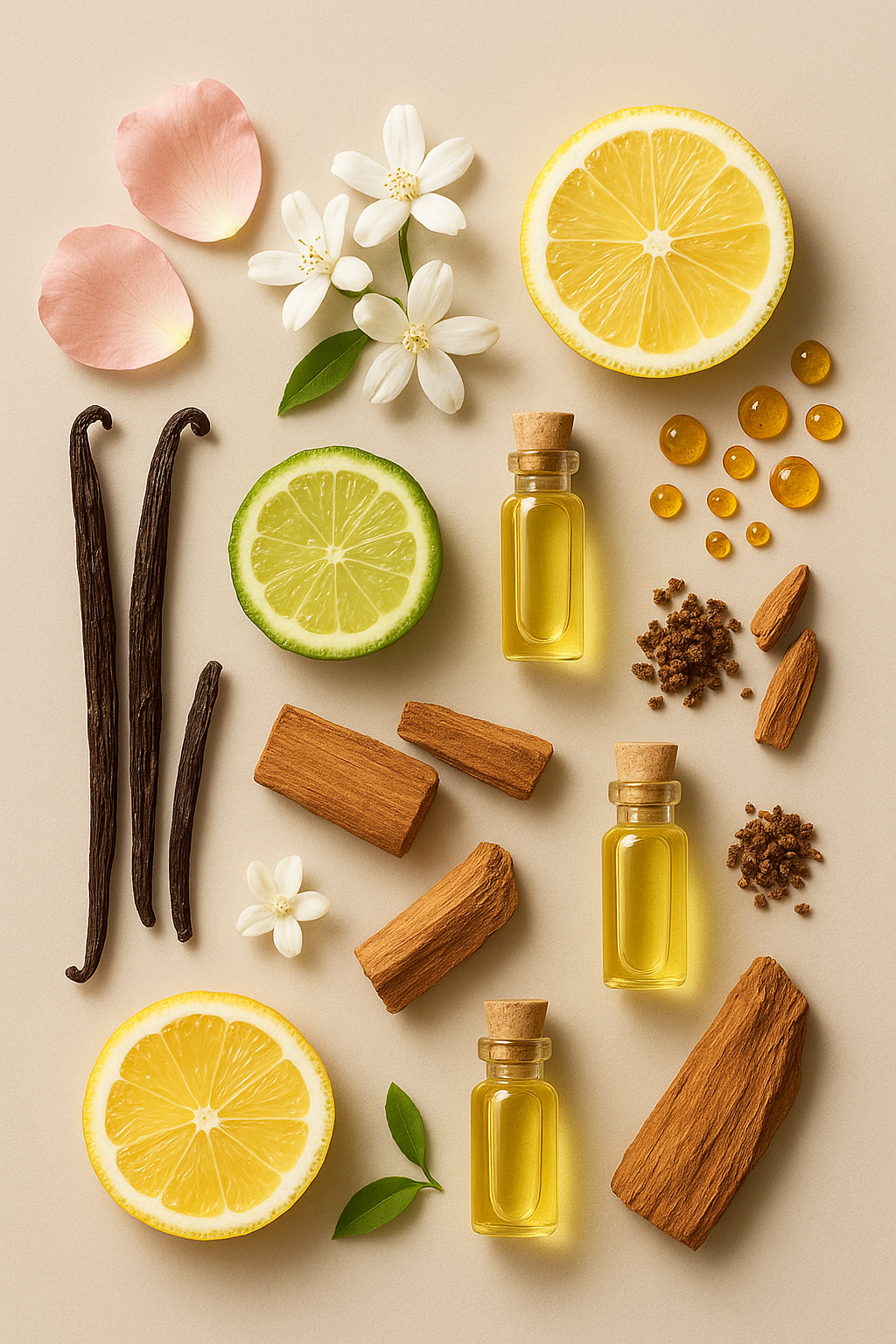
Perfume is more than just a fragrance; it’s an experience, a memory, and an expression of personality. Whether you are a perfume aficionado or a casual scent lover, understanding the ingredients that make up your favorite fragrances can transform the way you perceive them. At OceanShade Blogs, we dive deep into the world of perfume ingredients, exploring the notes, sources, and science behind the scents that captivate our senses.
In this guide, we will cover everything from the basic categories of perfume ingredients to the top ingredients that perfumers around the world rely on to craft their masterpieces.
Why Understanding Perfume Ingredients Matters
When you pick up a perfume bottle, the label might give you little more than a brand name or a catchy title. However, perfumes are complex compositions of natural and synthetic ingredients, often blended meticulously to create a harmonious olfactory experience.
Knowing perfume ingredients can help you:
- Select a fragrance that suits your personality: Some ingredients evoke calmness, while others energize or attract attention.
- Avoid allergens and irritants: Natural doesn’t always mean safe; understanding ingredients helps you make informed choices.
- Appreciate the artistry of perfumery: Perfumes are akin to fine art—each ingredient adds a layer of depth and story.
Understanding Perfume Notes
Before diving into individual ingredients, it’s crucial to understand the concept of perfume notes. Perfume notes are the layers of scents that unfold over time when a fragrance is applied. They are divided into three main categories:
- Top Notes: The first impression of a fragrance. These are usually light, fresh, and volatile ingredients that evaporate quickly.
- Middle (Heart) Notes: These emerge after the top notes dissipate and form the core character of the perfume.
- Base Notes: The final stage, providing depth and longevity. Base notes are rich, heavy, and often long-lasting.
Understanding which ingredients belong to which note category can help you choose a perfume that develops in a way you enjoy.
Top Perfume Ingredients You Should Know About
1. Bergamot
- Category: Top Note
- Origin: Citrus fruit, primarily from Italy
- Scent Profile: Fresh, slightly sweet, and citrusy
- Use in Perfumery: Bergamot is a staple in many perfumes, particularly in colognes and fresh, unisex fragrances. Its bright and uplifting scent makes it a popular choice for top notes.
2. Jasmine
- Category: Middle Note
- Origin: Flowers of Jasminum species
- Scent Profile: Sweet, exotic, and floral
- Use in Perfumery: Jasmine is celebrated for its sensual and romantic aroma. Often used in oriental and floral perfumes, it blends beautifully with woody and musky base notes.
3. Sandalwood
- Category: Base Note
- Origin: Woody trees, primarily in India and Australia
- Scent Profile: Warm, creamy, and woody
- Use in Perfumery: Sandalwood adds depth and longevity. It’s widely used in unisex and oriental perfumes to create a soothing, grounding effect.
4. Vanilla
- Category: Base Note
- Origin: Vanilla bean pods
- Scent Profile: Sweet, warm, and comforting
- Use in Perfumery: Vanilla is a universally loved ingredient, providing sweetness and warmth to perfumes. It blends well with florals, woods, and spices, making it versatile across many fragrance families.
5. Patchouli
- Category: Base Note
- Origin: Leaves of the patchouli plant
- Scent Profile: Earthy, musky, and slightly spicy
- Use in Perfumery: Patchouli is a classic ingredient in oriental and woody perfumes. Its rich, grounding scent complements floral and sweet top and middle notes.
6. Rose
- Category: Middle Note
- Origin: Rose petals, primarily from Bulgaria and Turkey
- Scent Profile: Fresh, sweet, and floral
- Use in Perfumery: Known as the “queen of flowers,” rose adds elegance and sophistication to perfumes. It pairs beautifully with citrus, musk, and woody notes.
7. Amber
- Category: Base Note
- Origin: Natural resin and synthetic blends
- Scent Profile: Warm, resinous, and slightly sweet
- Use in Perfumery: Amber creates richness and depth. It’s often used in oriental and gourmand perfumes to add a luxurious, long-lasting finish.
8. Cedarwood
- Category: Base Note
- Origin: Cedar trees, primarily in the US and Morocco
- Scent Profile: Dry, woody, and slightly smoky
- Use in Perfumery: Cedarwood is versatile, lending a clean and grounding woody scent. It’s popular in masculine fragrances and unisex blends.
9. Lavender
- Category: Top to Middle Note
- Origin: Lavender plant, mainly in France and Bulgaria
- Scent Profile: Fresh, herbal, and slightly sweet
- Use in Perfumery: Lavender is calming and versatile. It’s frequently found in aromatic, fougère, and fresh fragrances, providing both freshness and subtle complexity.
10. Musk
- Category: Base Note
- Origin: Historically derived from musk deer; now mainly synthetic
- Scent Profile: Warm, animalic, and sensual
- Use in Perfumery: Musk enhances longevity and adds a soft, intimate scent to perfumes. It’s widely used as a fixative to make fragrances last longer.
11. Ylang-Ylang
- Category: Middle Note
- Origin: Tropical flowers from Southeast Asia
- Scent Profile: Sweet, floral, and slightly fruity
- Use in Perfumery: Ylang-ylang is prized for its exotic aroma. It’s commonly used in floral and oriental perfumes to add richness and complexity.
12. Vetiver
- Category: Base Note
- Origin: Roots of the vetiver grass, primarily from Haiti and India
- Scent Profile: Earthy, woody, and smoky
- Use in Perfumery: Vetiver is a cornerstone of masculine and unisex perfumes. It provides a grounding, earthy aroma that enhances longevity.
13. Citrus Notes (Lemon, Orange, Grapefruit)
- Category: Top Notes
- Origin: Various citrus fruits
- Scent Profile: Fresh, zesty, and uplifting
- Use in Perfumery: Citrus notes are ideal for fresh, energetic scents. They’re commonly used in summer fragrances, colognes, and casual wear perfumes.
14. Frankincense
- Category: Base Note
- Origin: Resin from Boswellia trees
- Scent Profile: Resinous, woody, and slightly spicy
- Use in Perfumery: Frankincense adds a mystical and meditative aura to perfumes. It’s often used in oriental and incense-inspired fragrances.
15. Cinnamon
- Category: Middle Note
- Origin: Bark of the cinnamon tree
- Scent Profile: Warm, spicy, and sweet
- Use in Perfumery: Cinnamon provides warmth and a subtle spice. It’s perfect for winter perfumes and gourmand compositions.
Natural vs. Synthetic Perfume Ingredients
Perfumery today blends natural and synthetic ingredients to achieve the perfect scent.
- Natural Ingredients: Derived from plants, flowers, fruits, and resins. While highly prized for their authenticity, they can be expensive and sometimes inconsistent in quality.
- Synthetic Ingredients: Lab-created molecules that mimic natural scents or create entirely new aromas. They are cost-effective, sustainable, and often more stable than natural ingredients.
Most modern perfumes combine both to balance sustainability, affordability, and olfactory complexity.
Tips for Choosing Perfumes Based on Ingredients
- Know Your Preferences: Do you prefer floral, woody, oriental, or fresh fragrances? Understanding ingredients helps narrow choices.
- Consider Seasonal Scents: Light citrus and herbal notes for summer, warm vanilla, and spices for winter.
- Test Before Buying: Ingredients may smell different on skin than in the bottle due to body chemistry.
- Check for Allergens: Ingredients like musk, citrus, or essential oils can trigger sensitivities.
Conclusion
Perfume is an art, and its ingredients are the palette of a perfumer. By understanding the key components—from citrusy bergamot to earthy vetiver—you can make informed choices that suit your personality and lifestyle. Whether you’re a casual fragrance lover or an aspiring connoisseur, knowing your perfume ingredients transforms a simple scent into a meaningful experience.
At OceanShade Blogs, we celebrate the magic behind every fragrance and encourage you to explore, experiment, and enjoy the world of scents. Your perfect perfume might just be waiting for you—crafted from the very ingredients you now know.